
Tues: 8:30am - 3:00pm
Wed: 12:00pm - 6:00pm
Thurs: 8:30am - 3:00pm
Fri: Closed
Sat: 8:30am - 12:30pm
Sun: Closed
Greenvale, NY 11548
Problem Gambling and Skin Health — A Dermatologist's Perspective
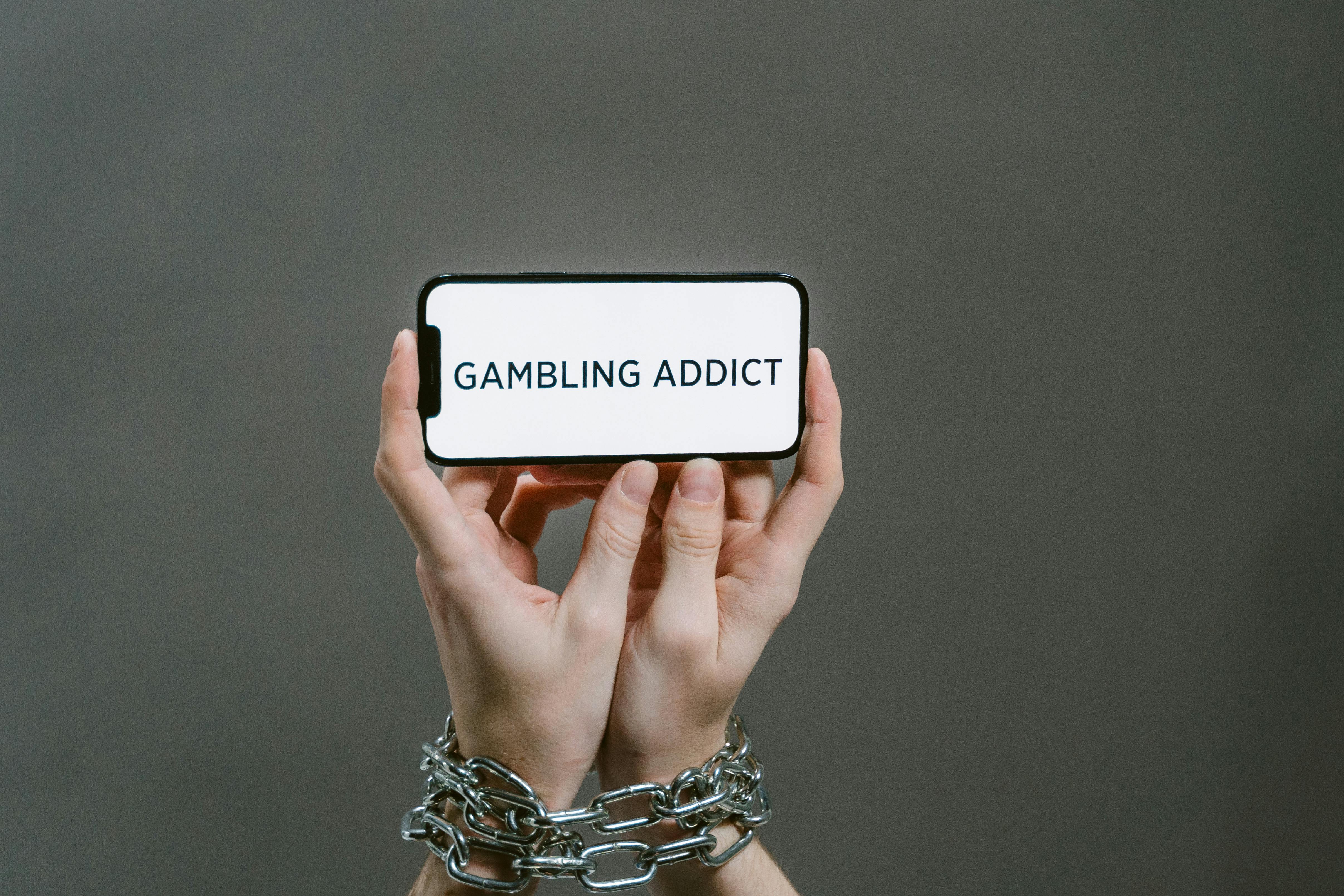
Problem gambling is often discussed in terms of financial, psychological, and social consequences, but its physical health impacts are less examined. One area that can be affected by problem gambling is skin health, which may be overlooked by both patients and healthcare providers. Dermatologists are beginning to recognize that stress and lifestyle factors associated with gambling can manifest on the skin in various ways. The effects may become especially relevant as online gambling and platforms such as online casino buitenland continue to grow in popularity. Understanding the connection between problem gambling and skin health is vital for comprehensive patient care.
Understanding Problem Gambling
Problem gambling, also known as gambling disorder, involves a persistent and recurrent pattern of gambling that disrupts personal, familial, or vocational pursuits. It is recognized as a behavioral addiction, which can have serious repercussions for overall health. Individuals struggling with gambling often experience high levels of stress, anxiety, and depression, all of which can influence physical well-being. These psychological pressures can also lead to neglect of self-care, including skin health. Addressing the broader health effects of problem gambling is essential, as skin changes may serve as visible indicators of internal distress.
Key Features of Gambling Disorder
Gambling disorder is characterized by an inability to control gambling habits despite negative consequences. This lack of control leads to repeated unsuccessful attempts to reduce or stop gambling, often accompanied by restlessness or irritability. Many individuals also gamble to escape problems or relieve feelings of helplessness. The pursuit of gambling can lead to significant disruptions in daily routines, affecting eating, sleeping, and self-care habits. These disruptions may in turn have both direct and indirect effects on skin health.
The Link Between Stress and Skin Conditions
Stress is a well-known trigger for a variety of skin problems. Chronic stress, such as that experienced by individuals with gambling problems, can alter hormonal balance and immune function. This physiological response can exacerbate existing skin conditions or contribute to the development of new issues. Recognizing this link is crucial for dermatologists and patients alike, as addressing the underlying stress may help improve skin outcomes.
Common Stress-Related Skin Conditions
Several skin conditions have been linked to prolonged psychological stress. These may include:
- Psoriasis
- Eczema (atopic dermatitis)
- Acne
- Urticaria (hives)
- Rosacea
Patients experiencing these conditions may notice flares during periods of heightened stress, such as after financial losses or gambling binges. Stress can also slow the healing process, causing skin lesions to persist longer and making them more susceptible to secondary infections.
Impact of Gambling-Related Lifestyle Factors on Skin Health
The lifestyle changes associated with problem gambling can significantly affect skin health. These may include poor nutrition, disrupted sleep, neglect of personal hygiene, and increased substance use. Such factors may compound the stress associated with gambling, leading to a negative cycle that further deteriorates skin condition. Dermatologists should consider these lifestyle aspects when evaluating patients with unexplained or worsening skin problems.
Sleep Disturbances and Skin Function
Many individuals with gambling problems report irregular sleep patterns or insomnia, often due to late-night gambling sessions. Sleep deprivation can impair the skin's natural repair mechanisms, leading to dullness, increased wrinkling, and reduced barrier function. Chronic lack of sleep has also been linked to flare-ups of conditions such as eczema and psoriasis. Encouraging good sleep hygiene is an important aspect of skin care for those affected by problem gambling.
Poor Nutrition and Substance Use
People experiencing gambling disorder may neglect balanced nutrition, sometimes skipping meals or opting for processed foods while gambling. Nutritional deficiencies, especially in vitamins and minerals essential for skin health, can manifest as dryness, inflammation, or delayed wound healing. Additionally, increased use of substances such as alcohol or tobacco—common coping mechanisms among problem gamblers—can further impair circulation and collagen production, accelerating skin aging and exacerbating existing skin conditions.
Recognizing Skin as a Window to Mental Health
For dermatologists, the skin can provide important clues about a patient's mental and emotional state. Unexplained skin changes, or a sudden deterioration in skin condition, may prompt further inquiry into lifestyle and psychological wellbeing. Patients may not immediately connect their gambling habits to skin problems, making it important for clinicians to take a holistic approach. By addressing both the physical and psychological aspects of problem gambling, dermatologists can help guide patients toward better overall health.
The Role of Early Detection and Referral
Early identification of stress-related skin issues may lead to interventions that address both dermatological and psychological needs. Dermatologists are well placed to recognize these signs and provide initial support or referrals to mental health professionals. Collaborative care involving dermatologists, psychologists, and addiction specialists can improve outcomes for individuals struggling with gambling and skin health issues. This approach not only targets visible symptoms but also helps address underlying causes.
Strategies for Patients and Clinicians
Effective management of skin problems linked to gambling begins with awareness and communication. Patients should be encouraged to discuss their lifestyle habits openly, while clinicians should ask about stressors that may not seem directly related to dermatological health. Integrating mental health screening as part of dermatological assessments can provide a more complete picture of patient wellbeing. Simple interventions can make a significant difference when combined with appropriate medical treatment.
Practical Recommendations
Clinicians can support patients by offering practical advice to minimize the impact of problem gambling on skin health. This may include guidance on:
- Maintaining regular sleep patterns
- Eating a balanced diet rich in skin-supporting nutrients
- Managing stress through relaxation techniques or counseling
- Limiting the use of alcohol and tobacco
- Seeking professional help for gambling-related concerns
Addressing these factors as part of a holistic care plan can enhance skin health and overall quality of life for those affected by problem gambling.


