
Tues: 8:30am - 3:00pm
Wed: 12:00pm - 6:00pm
Thurs: 8:30am - 3:00pm
Fri: Closed
Sat: 8:30am - 12:30pm
Sun: Closed
Greenvale, NY 11548
Why 904L Stainless Steel Is Skin-Safe: What Dermatologists Want You to Know About Watch Materials
Why 904L Stainless Steel Is Skin-Safe: What Dermatologists Want You to Know About Watch Materials
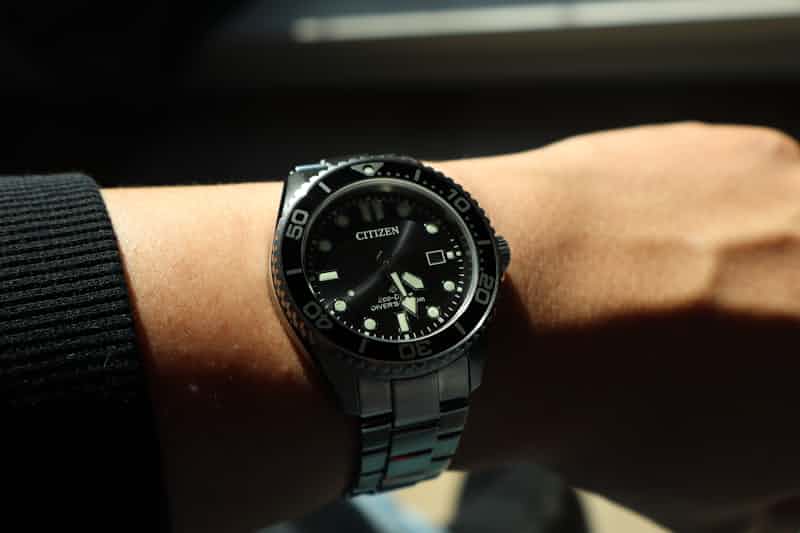
The metal your watch is made from matters enormously, and not all stainless steel is created equal.
The Difference Between 316L and 904L Steel
Standard stainless steel — the kind used in budget watches, fashion accessories, and most mid-range timepieces — is classified as 316L. It's durable enough for everyday wear and resistant to basic corrosion, but it contains a higher ratio of nickel, which is the single most common cause of metal-induced contact dermatitis worldwide. The European Union estimates that nickel allergy affects roughly 10–15% of the population, with women showing higher rates of sensitization due to earlier and more frequent exposure through jewelry.
904L steel is a different alloy entirely. Originally developed for use in the chemical processing industry — specifically for environments involving sulfuric acid and seawater — it contains higher concentrations of chromium, nickel, and molybdenum, but the molecular structure of the alloy is denser and more stable. This means the metal leaches far less nickel into contact with skin, making it significantly more tolerable for people with metal sensitivities.
Rolex famously switched to 904L steel for all their stainless cases in 1988. The decision was driven by corrosion resistance and finish quality — 904L polishes to a deeper, more mirror-like surface — but the skin-safety benefit has become increasingly relevant as allergy rates climb.
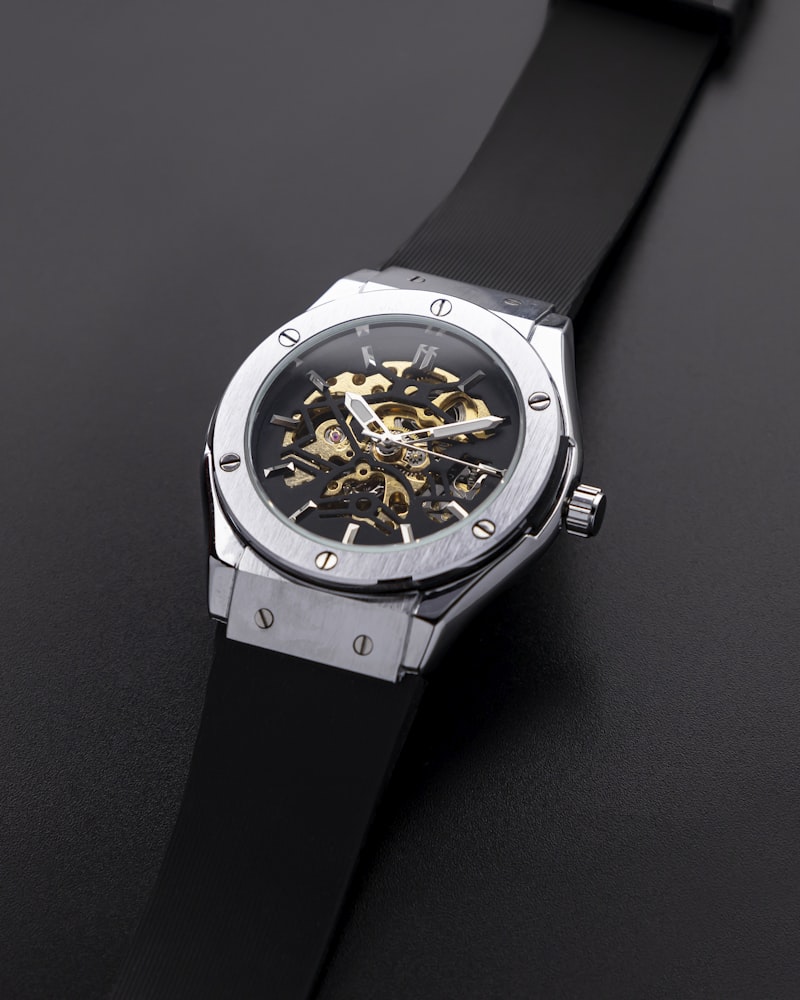
What This Means for Everyday Wearers
If you've experienced redness, itching, or raised skin under a watch band, the first question your dermatologist will likely ask is what the case and bracelet are made from. A patch test can confirm nickel allergy, but the more practical solution is simply choosing a watch built from a higher-grade alloy.
This is one reason why certain high-quality replica timepieces have grown in popularity among buyers who care about both aesthetics and wearability. The best super clone Rolex watches use the same 904L steel specification as genuine Rolex — not the cheaper 316L found in most fashion watches — which means the skin-contact profile is substantially better than what you'd get from a department store alternative at a similar price point.
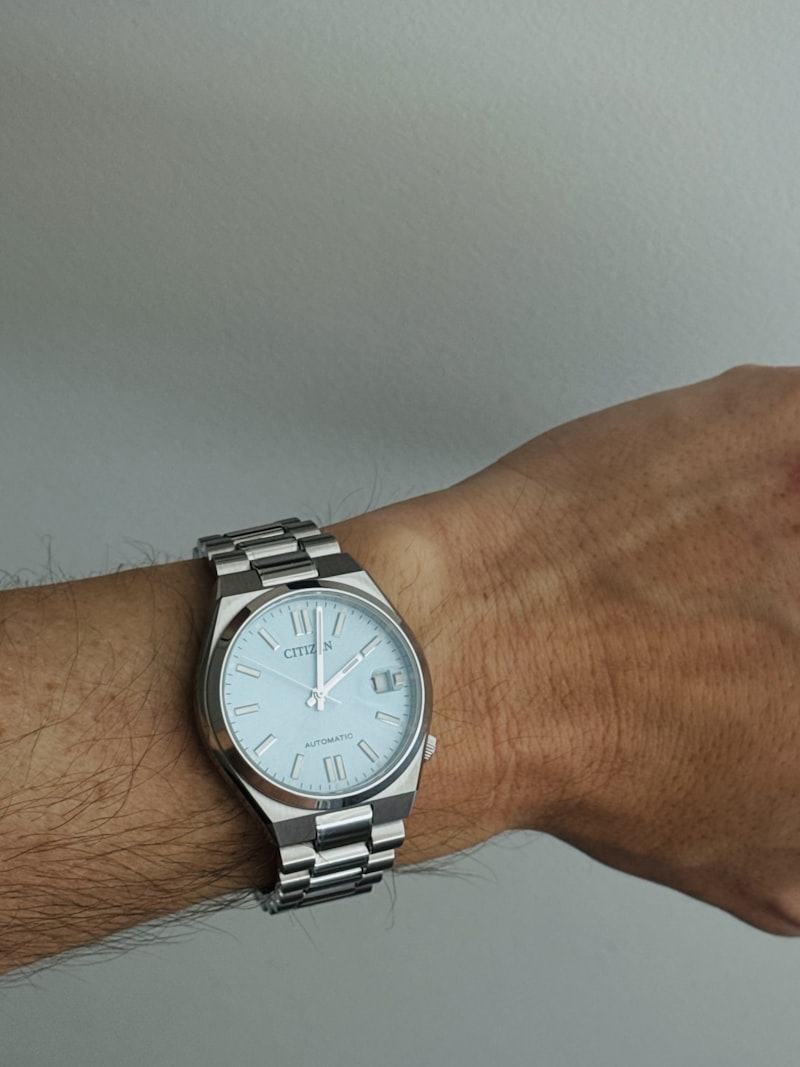
Ceramic Bezels and Hypoallergenic Considerations
Beyond the steel case, the bezel material is worth examining. Traditional aluminum or painted bezels can chip, oxidize, and expose base metals over time. Ceramic bezels — the standard on modern super clone builds — are hypoallergenic by nature. High-fired ceramic contains no metal ions capable of triggering contact reactions, making it the safest option for anyone with documented metal sensitivities.
Sapphire crystal glass, used on the watch face, is similarly inert. It's essentially synthetic corundum — the same family as ruby and sapphire gemstones — and has zero known reactivity with human skin.
Practical Advice From a Dermatology Perspective
If you're shopping for a new watch and have a history of skin reactions, here's what to look for:
First, prioritize 904L steel over 316L wherever possible. The price difference is real, but so is the comfort difference for sensitive skin. Second, choose ceramic bezels over aluminum or painted alternatives. Third, consider the bracelet clasp — this is often the point of highest skin contact pressure, and cheap clasps are frequently made from lower-grade alloys not matching the rest of the watch.
Finally, if you develop a reaction despite switching materials, schedule a patch test. True nickel allergy requires professional confirmation and sometimes prescription-strength topical treatment before the skin barrier fully recovers.
Your watch sits on your wrist every single day. The material it's made from isn't a minor detail — it's a daily dermatological decision.


