Tues: 8:30am - 3:00pm
Wed: 12:00pm - 6:00pm
Thurs: 8:30am - 3:00pm
Fri: Closed
Sat: 8:30am - 12:30pm
Sun: Closed
Greenvale, NY 11548
What Skin Condition Reveals About Internal Body Processes
Skin as a reflection of internal balance
The skin is closely connected to internal physiological systems. It responds to hormonal activity, immune function, hydration levels, and metabolic balance. Changes on the surface often appear earlier than noticeable internal symptoms, making the skin a practical indicator of internal conditions.
Unlike organs hidden inside the body, the skin constantly interacts with external and internal factors. Its condition reflects how efficiently the body maintains stability under stress, diet changes, or environmental pressure. A similar pattern can be observed in how people interpret feedback and behavior patterns in interactive online environments such as joka bet, where small signals and repeated outcomes gradually shape understanding over time rather than through a single clear event.
Hormonal influence on skin behavior
Hormones regulate oil production, cell regeneration, and inflammatory responses. When hormonal balance shifts, the skin reacts through visible changes such as acne, dryness, or increased sensitivity.
Sebaceous activity is particularly sensitive to hormonal fluctuations. Increased androgen levels often lead to excessive oil production, while hormonal decline can reduce skin elasticity and hydration. These patterns are not random but directly linked to endocrine activity.
Immune system activity and inflammation
The immune system plays a central role in skin protection. When it becomes overactive or weakened, the skin often shows signs such as redness, irritation, or slow healing.
Chronic inflammation inside the body can manifest externally in the form of persistent skin conditions. The skin acts as an interface where immune responses become visible, allowing early observation of internal imbalance.
Digestive system connection
Digestive health significantly influences skin condition. Nutrient absorption, gut microbiota balance, and toxin elimination all affect how the skin regenerates and maintains clarity.
When digestion is disrupted, the body may struggle to process waste efficiently. This can result in skin congestion, uneven tone, or increased breakouts. The skin often reflects digestive stress before other symptoms become noticeable.
Hydration and cellular function
Water balance directly affects skin texture and elasticity. Cells require consistent hydration to maintain structure and perform metabolic functions efficiently.
Dehydration leads to reduced skin flexibility, dull appearance, and slower regeneration. These changes are not only cosmetic but indicate reduced efficiency in cellular transport and waste removal.
Stress response and skin reaction
Psychological stress triggers biochemical responses that affect the skin. Cortisol levels rise under stress, influencing oil production and inflammatory activity.
Prolonged stress can weaken the skin barrier, making it more reactive to environmental factors. This often results in sensitivity, irritation, and delayed healing processes.
Common skin indicators of internal imbalance
Certain visible patterns on the skin often correlate with underlying physiological changes. These indicators do not provide a diagnosis on their own but reflect possible internal stress.
- Persistent acne linked to hormonal fluctuations
- Dry patches associated with dehydration or nutrient deficiency
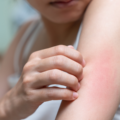
- Redness indicating inflammatory activity
- Uneven skin tone reflecting metabolic imbalance
- Delayed healing suggesting immune system slowdown
These patterns often overlap, making it important to consider the full context rather than isolated symptoms.
Sleep quality and regeneration processes
Sleep plays a direct role in skin regeneration. During deep sleep phases, cell repair and collagen production increase significantly.
When sleep is disrupted, regeneration slows down. The skin may appear tired, less elastic, and more prone to irritation. These visible signs often reflect reduced recovery efficiency inside the body.
Nutritional impact on skin structure
Diet provides essential building blocks for skin maintenance. Proteins, fats, vitamins, and minerals all contribute to cellular repair and barrier function.
Deficiencies in key nutrients often manifest through skin changes before internal systems show clear symptoms. For example, lack of essential fatty acids can reduce elasticity, while vitamin deficiencies can affect pigmentation and healing speed.
Environmental interaction and internal response
The skin constantly responds to external conditions such as temperature, pollution, and humidity. However, its reaction depends on internal resilience.
A well-balanced internal system allows the skin to adapt efficiently to environmental changes. When internal balance is weak, external factors cause stronger and more visible reactions.
Skin barrier function as a stability indicator
The skin barrier protects the body from external damage and prevents excessive water loss. Its condition reflects overall internal stability.
When the barrier is compromised, sensitivity increases and the skin becomes reactive. This often indicates deeper issues related to hydration, nutrition, or inflammation regulation.
Long-term patterns and systemic signals
Short-term skin changes can result from temporary factors, but long-term patterns often indicate systemic conditions. Consistency in symptoms provides more reliable insight into internal processes.
Observing recurring changes helps identify whether the body is maintaining balance or struggling with persistent internal stress.
Conclusion
Skin condition is closely linked to internal physiological processes. It reflects hormonal balance, immune activity, digestion, hydration, and stress response. Changes on the surface often mirror deeper functional shifts inside the body.
Understanding these connections allows the skin to be seen not only as an external layer but as a responsive system that communicates internal states through visible patterns.