Tues: 8:30am - 3:00pm
Wed: 12:00pm - 6:00pm
Thurs: 8:30am - 3:00pm
Fri: Closed
Sat: 8:30am - 12:30pm
Sun: Closed
Greenvale, NY 11548
BC Game Betting: Complete Guide for New Players
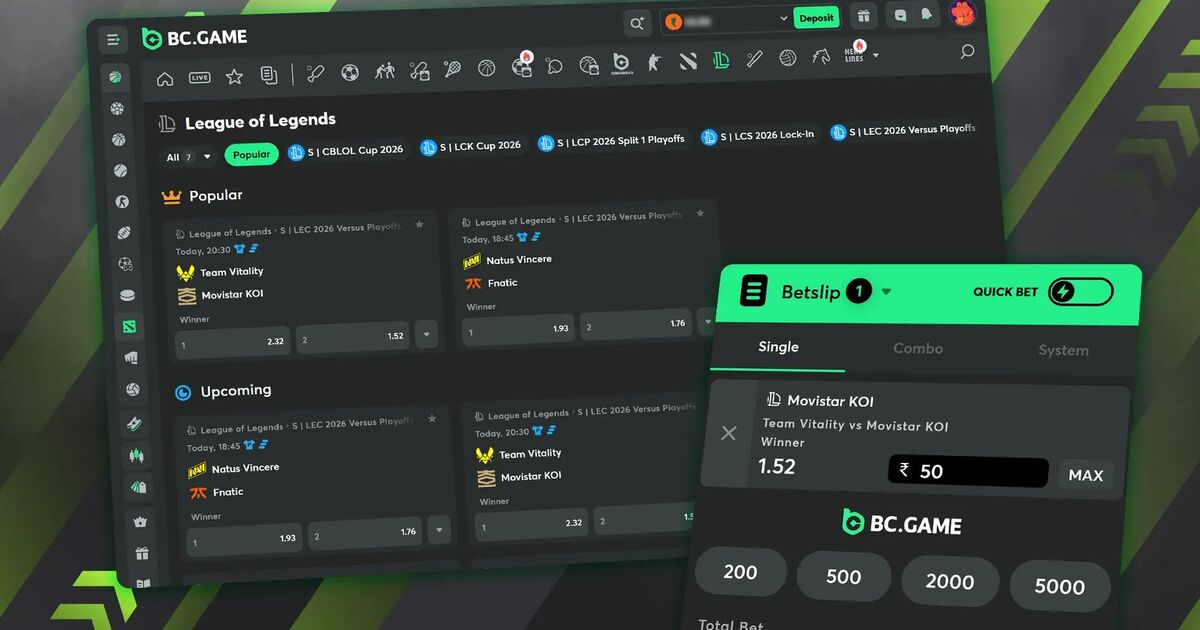
If you are new to online sports and casino betting, it helps to start with clear basics before placing any wagers. BC Game betting offers a range of options, including sports markets and casino-style games, depending on what is available in your region. This guide explains how betting works, what to review before you bet, and how to manage risk in a practical way. If you want to explore the betting area directly, you can start with bc game betting and check the current menu. You can also open https://bcgamekenya.com/betting/ to see categories and live options.
Understanding BC Game Betting Basics
BC Game betting typically involves selecting an event or game, choosing a market or outcome, and then confirming a stake amount. Odds or pricing determine how payouts are calculated if your selection wins. Before you place a bet, you should confirm the event time, the market type, and the settlement rules shown on the screen. Many platforms also display bet limits or restrictions that can affect what you can wager. For new players, the most important step is to read the information provided for each market rather than relying on assumptions.
Key terms you will see while betting
Odds indicate the potential return relative to your stake, and they may change as an event approaches. A market is the specific betting option, such as a result type or a range-based outcome. Stake is the amount you choose to risk on a bet, and it is deducted from your balance when you place the wager. Potential profit is the amount you could gain if the bet wins, while total return includes your stake. Some bets may be listed as cashout-eligible, meaning you can sometimes settle early under the site’s rules.
How odds and results are determined
Odds are set using the platform’s pricing model and may adjust based on betting activity and available information. For sports markets, results depend on the official outcome recorded by the event’s governing body. For casino-style games, results depend on the game’s random mechanism and the rules displayed for each game. You should verify whether a market is determined at full time, at a specific minute, or under other conditions. If a market includes extra conditions, the platform will usually summarize them in the bet details.
Getting Started: Account Setup and Funding
Before placing any wagers, you need an account with access to the betting section and the ability to fund it. Start by confirming that your account details are complete and that any required verification steps are finished. Funding methods vary, and the availability of deposits and withdrawals can differ by country or payment provider. After you deposit, you should confirm that the balance is visible and that the funds are available for betting. If you are unsure about a funding option, check the instructions shown in the platform’s deposit area.
Choosing a deposit method
Most betting platforms offer multiple deposit methods, including cards, bank transfers, or online payment systems. Each method may have different processing times and minimum deposit requirements. It is useful to review transaction limits to ensure you can place bets within your budget. If you deposit a larger amount than you intend to bet immediately, you should still plan a staking strategy for the days ahead. Keeping deposits in manageable sizes can reduce the risk of overspending.
Confirming bet eligibility after deposit
After funding your account, check whether the balance appears in your wagering balance or is subject to hold periods. Some promotional offers may include wagering requirements before you can withdraw winnings. You should read any terms attached to bonuses, including eligible game types and settlement timing. If the platform uses verification checks, delays can affect your ability to bet or cash out. Taking a few minutes to confirm eligibility can prevent issues later.
How to Place a Bet on BC Game
Placing a bet usually follows a consistent flow: pick the category, select a market, choose your outcome, and enter a stake. You should also confirm the odds displayed at the time you place the bet. If odds are updated, your selection may need to be re-confirmed before submission. For live betting, the event can change quickly, so review the market status and any timing labels. Once you place the wager, you can typically find it in your bet slip or open bets area.
Selecting markets and outcomes
Start with a market you understand, such as simple result selections or clearly defined ranges. Avoid complex combinations until you are comfortable with how payouts and settlement work. If you choose multiple selections in one ticket, the bet becomes a combined wager where all selections must win to receive the full payout. Some platforms also allow you to place single bets, which can make learning easier. When selecting outcomes, focus on the exact wording used in the market description.
Single bets vs combined bets
Single bets settle based on one outcome, which can be easier to evaluate and track. Combined bets, sometimes called parlays or accumulators, involve multiple legs, so one losing leg can make the entire bet lose. Payouts for combined bets are typically higher, but the probability of winning can be lower. If you are new, consider beginning with single bets to build familiarity with odds movement and settlement timing. After you understand outcomes and results, you can experiment with small combined wagers if you choose.
- Use single bets first to learn how odds and settlement work.
- Only combine selections when you understand the conditions for each leg.
- Check whether your bet is live or pre-match and how that affects timing.
- Review the stake, odds, and estimated return before confirming.
Staking Strategy and Risk Management
Betting is not only about choosing outcomes, but also about how you manage the amount you stake over time. A practical staking strategy limits how much you can lose in a session and helps you avoid chasing losses. Consider using a fixed percentage of your bankroll for each bet rather than increasing stakes after setbacks. You can also set a daily limit, such as a maximum number of bets or a maximum total loss. If the market does not look favorable, skipping a bet can be a responsible decision.
Setting limits before you start
Before you place any wagers, decide the maximum stake you are comfortable risking. Define a stopping point, such as a time limit or a profit target, so you do not rely on impulse. It can also help to set a minimum odds threshold or to avoid markets with unclear rules. When you keep limits in place, you reduce the chance of overspending during losing streaks. Documenting your approach can further improve consistency across sessions.
Managing bankroll across sessions
Bankroll management focuses on how your total funds relate to your ongoing betting activity. If you keep stakes small relative to your bankroll, you can continue betting even after a few losing outcomes. If you increase stakes too quickly, one bad run can reduce your ability to participate later. Consider reviewing results at the end of each session to see whether your decisions matched your plan. Over time, consistent tracking can help you identify what types of markets you handle best.
Responsible Betting and Common Mistakes
Responsible betting is about staying in control and ensuring betting remains an entertainment activity rather than a financial risk. Avoid betting beyond what you can afford to lose, and do not use money intended for essential expenses. Many players make mistakes by placing bets without understanding the market rules or by ignoring odds changes. Another common issue is chasing losses, where stakes increase to try to recover quickly. If you notice patterns that lead to stress or poor decisions, pause and reassess your strategy.
Common mistakes new players make
New players often focus only on potential payouts and overlook the likelihood of winning. Some also place too many combined legs, which increases the chance that the bet fails. Another mistake is failing to check event timing, especially for live betting where conditions can change rapidly. Players may also ignore settlement rules and then feel surprised by how a bet was graded. A simple habit of reviewing bet details can prevent most of these errors.
When to pause or stop
You should stop or pause if you are repeatedly losing beyond your planned limits. If you feel pressured to place bets to “make up” losses, that is a sign to take a break. It is also a good idea to pause if you notice you are betting without reviewing odds or market conditions. Set a schedule for betting sessions and stick to it, rather than continuing when you are tired or distracted. Responsible decisions protect your bankroll and help you maintain clearer judgment.
Checking Bets, Settlements, and Withdrawals
After placing bets, you should monitor open wagers to understand what is still pending and what has settled. Most platforms show status updates, such as in-play, won, lost, or voided, depending on the outcome. When a bet settles, it typically updates your balance and provides confirmation in your bet history. If you are waiting for withdrawals, check the platform’s processing times and any verification requirements. Keeping your transaction records can help if you need to resolve a question later.
Reading bet history and results
Bet history provides a record of what you placed, including the market name, stake, odds, and final status. If a bet is voided, the platform usually explains why it did not count toward settlement. You should compare the displayed payout with the odds and stake shown at placement time. If there is any discrepancy, reviewing the bet details can clarify how the final number was calculated. For new players, reviewing settled bets after each session can improve understanding quickly.
Withdrawals and payout timing
Withdrawals depend on the payment method and the platform’s processing schedule. Some withdrawals may require additional verification before they can be completed. You should review any minimum withdrawal limits to avoid failed requests. If promotions affect withdrawal eligibility, confirm the requirements before trying to withdraw. Planning withdrawals after you have a clear sense of your betting activity can reduce delays and confusion.